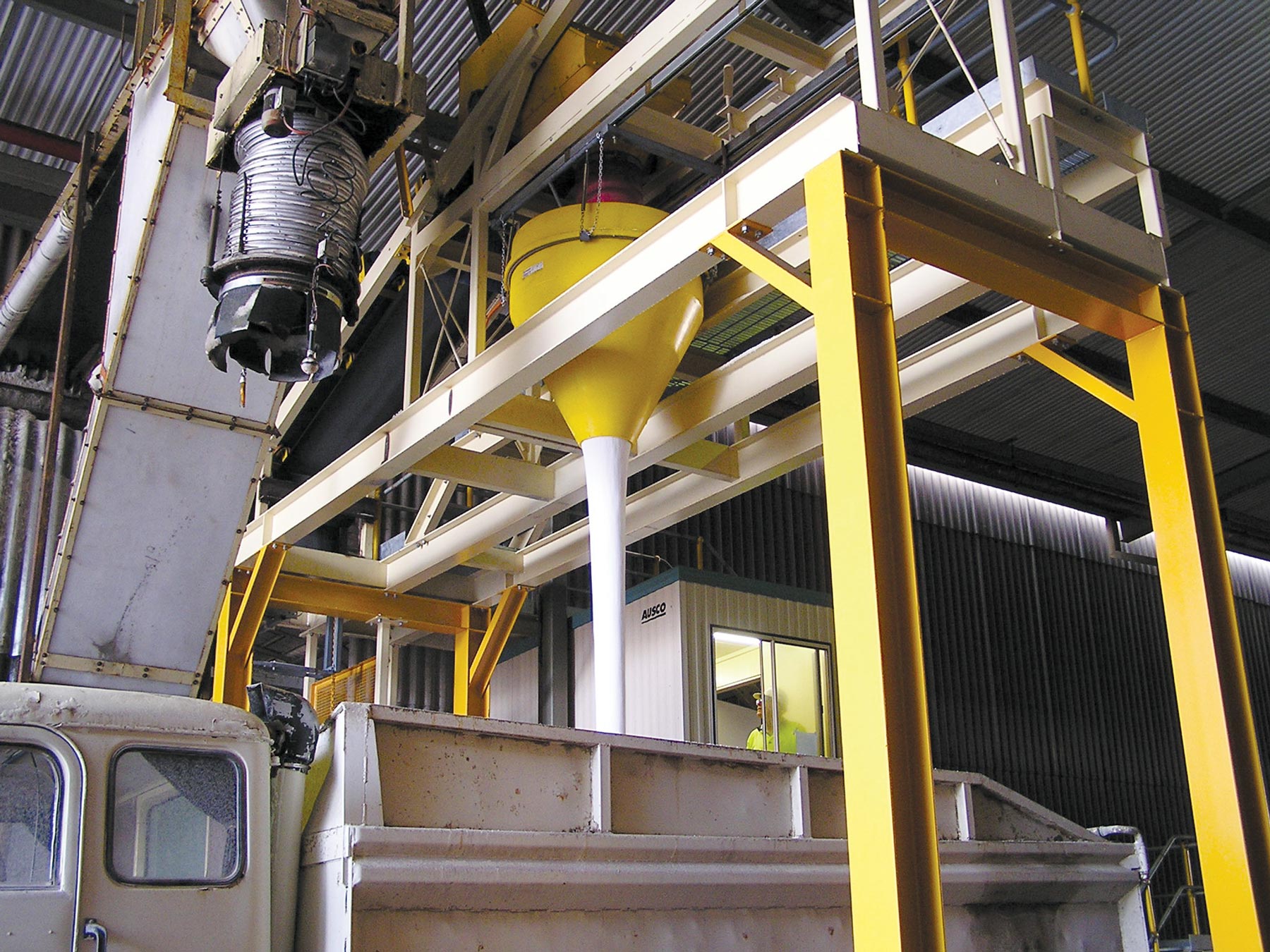

Easy to install, operate and maintain, DSH dust control systems improve health and safety standards, mitigate the risk of dust explosions and reduce cleaning costs. By removing air from product, they also increase storage capacity without reducing load times, improving loading efficiency into trucks, rail, ships and other containers from a single feed point.
The DSH (Dust Suppression Hopper) System is installed beneath a feed point, where natural agitation during filling helps exclude air. During loading or transfer, the system discharges dry goods as a solid column through free air into trucks, rail cars, barges, stockpiles, storage containers or bags, significantly reducing dust.
Standard models require no utilities and have no internal moving parts, while the PFC (Programmable Feed Control) system automatically configures the hopper for variable product weights. DSH systems are designed for dry, granular, free-running products, with ongoing research expanding the range of tested materials.
Most systems integrate easily into existing facilities with minimal downtime. Where required, site-specific engineering solutions are provided. Hoppers can be manufactured from polyethylene, Corten, Hardox, or 304 and 316 stainless steel.
DSH hoppers were developed specifically to reduce dust, hazards, health risks and product loss during bulk loading. We offer onsite trials using two display models – contact us to arrange a free trial.
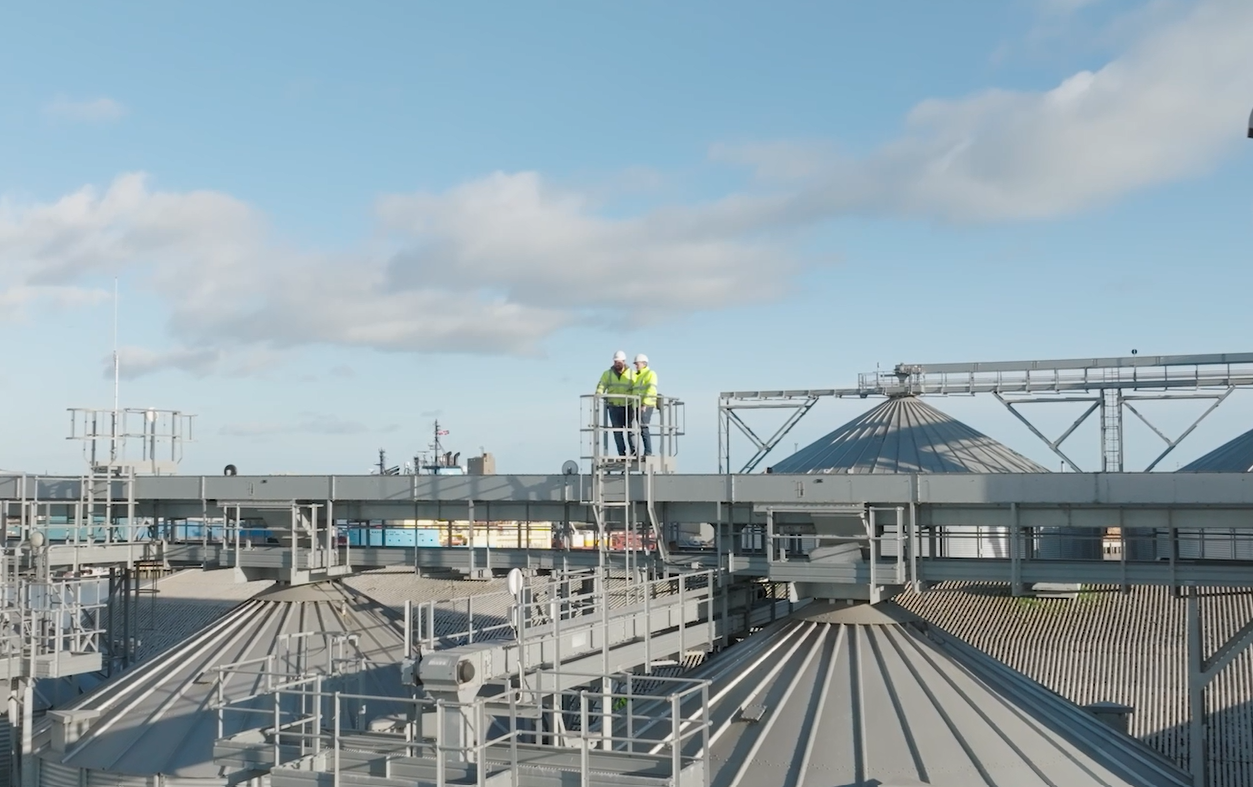
We manage your silo project from initial design and planning through manufacture, delivery, assembly, and commissioning. Our team coordinates the full installation to keep the build safe, compliant, and on programme, with a focus on reliable discharge and long service life. Each system is engineered around your product, throughput, and site constraints, whether you are in farming, industry, or commercial operations.
Types of silos
If you tell us your material type, required capacity, and site layout, we can propose the most suitable silo configuration and discharge method. Start the process by clicking the button below.

Small and Artisan Maltings
We design and build complete small scale malthouses for farmers and craft producers who want to make whisky from field to bottle. Every installation is developed to respect traditional malting practices while using robust engineering to improve control, safety, and repeatability. From concept layout and equipment selection through installation and commissioning, we deliver practical facilities built to last and to support consistent malt quality.
Typical malthouse features
Want to discuss a build? Share your target throughput, available space and desired level of manual versus automated operation via the button below.